You digital dentistry courses are becoming increasingly popular among oral health professionals. They offer the opportunity to learn about new technologies and techniques that are revolutionizing dental practice. In this article, we'll explore what these courses are, their benefits, and how to choose the right one for you.
What are Digital Dentistry Courses?
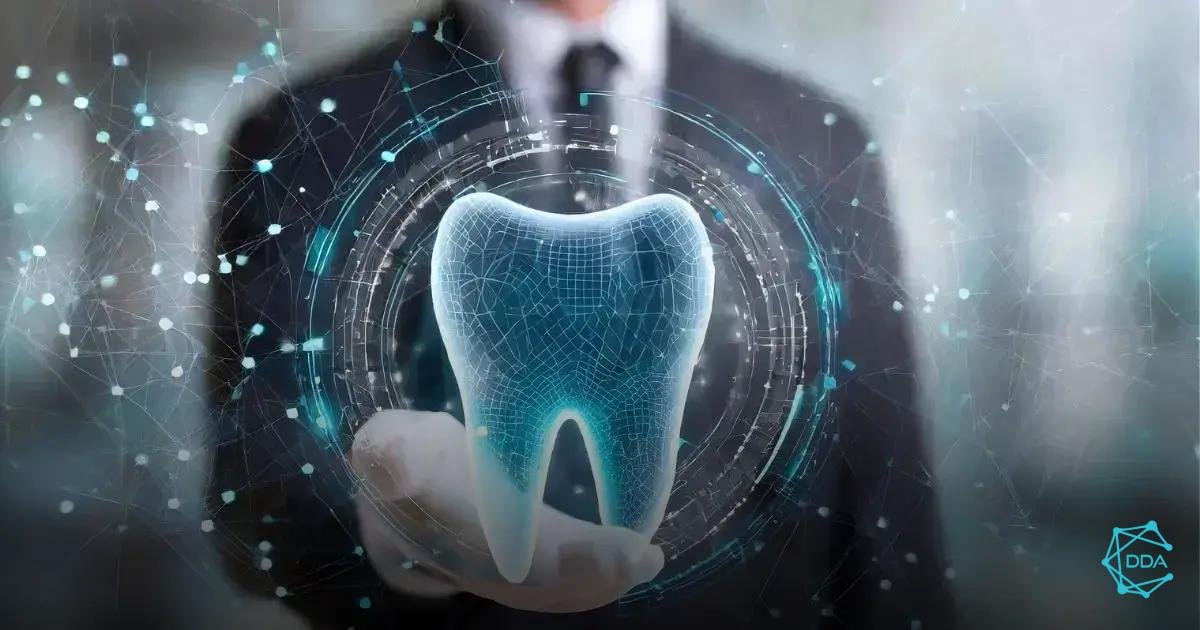
You courses of digital dentistry These are educational programs that aim to train dental professionals to use digital tools and technologies in their practice. With the advancement of technology, dentistry has been transformed, and these courses cover topics such as 3D printing, digital radiographs and planning software.
These courses can vary in length and content, covering everything from basic fundamentals to specialized areas. Professionals learn how to integrate digital technology into their processes, improving treatment accuracy and the patient experience.
Furthermore, digital dentistry courses often include hands-on practice, allowing students to experiment with technologies in a controlled environment. This is essential for developing the confidence and skills needed to apply these innovations in clinical practice.
The courses are offered by higher education institutions, professional associations, and online education platforms, making them accessible to a wide audience. Therefore, any dentist looking to stay up-to-date and stand out in the market can find an option that fits their routine and professional goals.
Advantages of Digital Dentistry
A digital dentistry has brought a series of significant advantages to dental practice, transforming the way professionals work and providing benefits for both dentists and patients.
One of the main advantages is the accuracy in diagnoses. Using digital radiographs and intraoral scanners, dentists can obtain detailed, high-definition images, enabling more accurate diagnoses and more effective treatments.
Another important benefit is the efficiency in treatmentsDigital dentistry enables better communication between professionals and laboratories, streamlining processes such as the creation of prosthetics and orthodontic appliances. This results in shorter wait times for patients and a more streamlined workflow.
Furthermore, the patient experience is vastly improved. Digital technologies, such as augmented reality, can be used to show patients the expected results of treatments, helping to increase confidence and satisfaction with the procedure.
Finally, digital dentistry also contributes to the sustainability. Reducing the use of physical materials, such as radiographic films and traditional molds, reduces waste and makes the practice more environmentally friendly.
Main Technologies Used
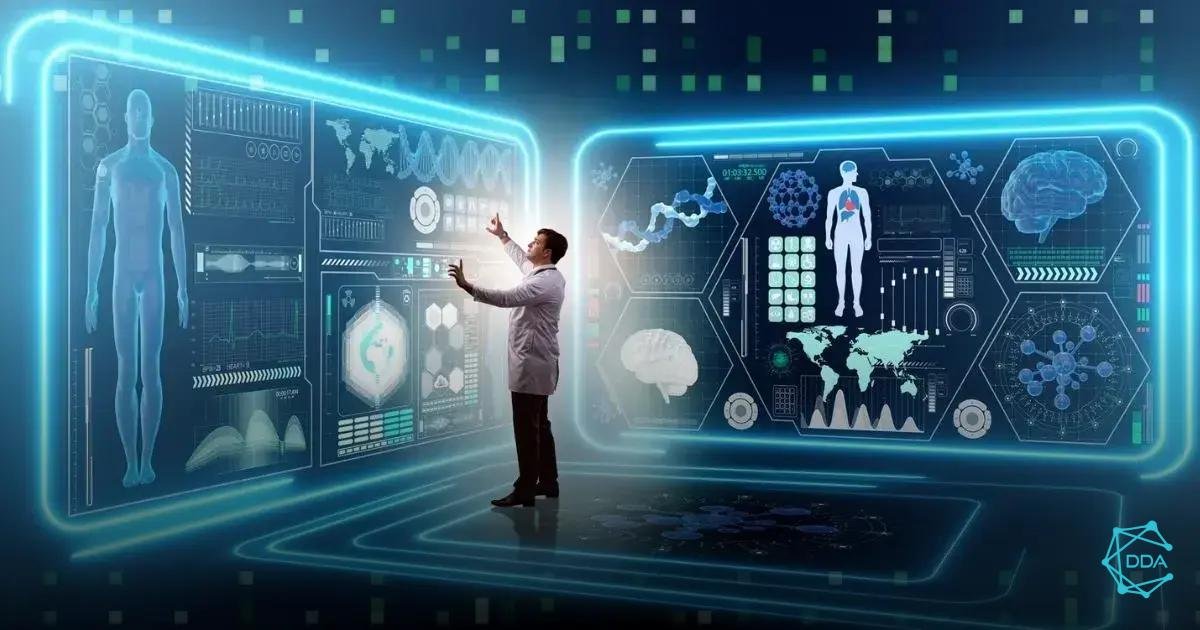
At digital dentistry, various technologies are being used to improve treatments and the patient experience. Below, we present some of the main innovations that are transforming this area of healthcare.
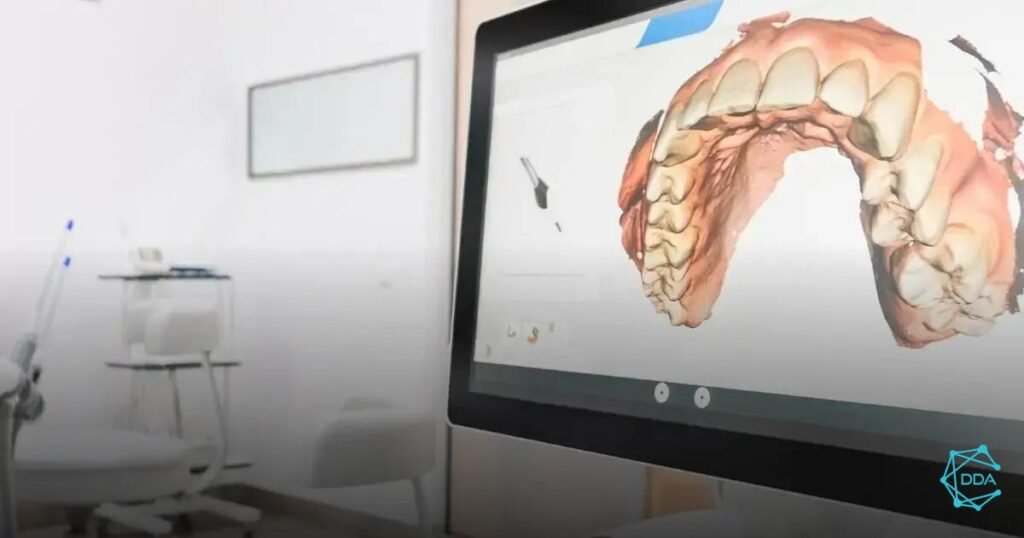
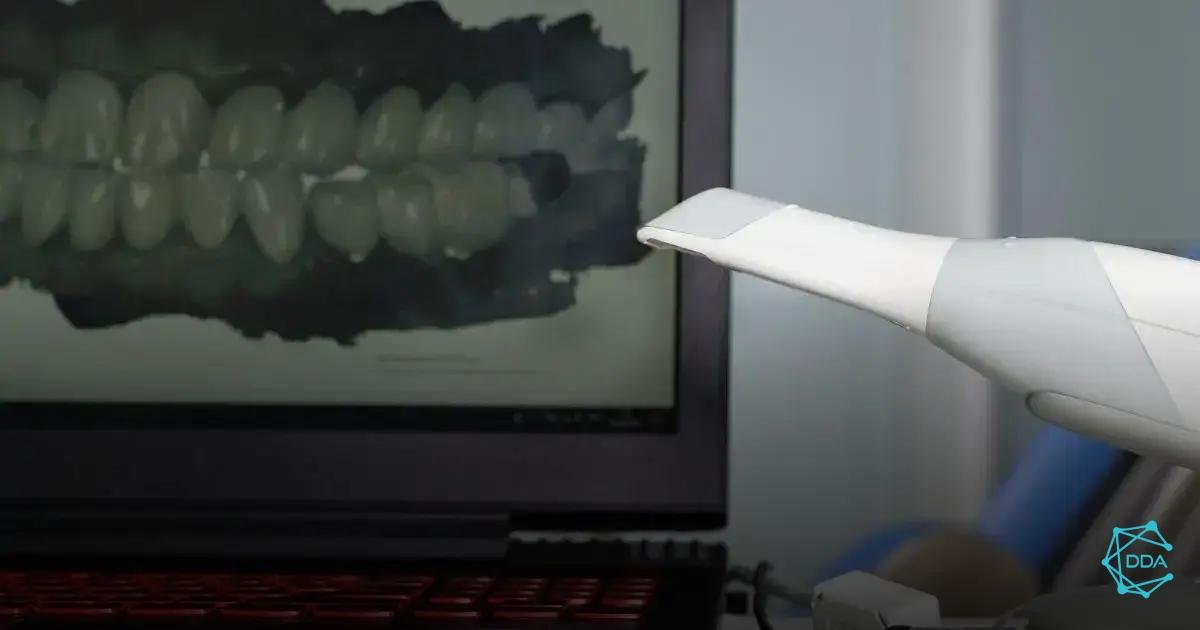
One of the most relevant technologies is the intraoral scanner, which allows you to capture accurate digital images of the dental arches. This tool eliminates the need for traditional impressions, providing greater patient comfort and more accurate results.
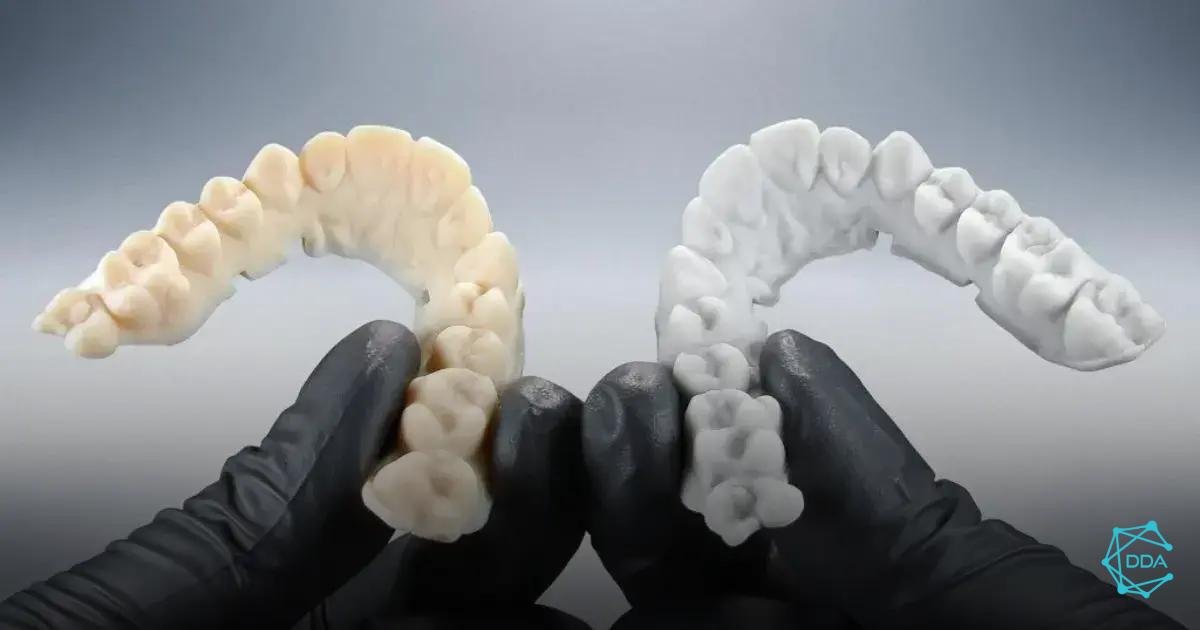
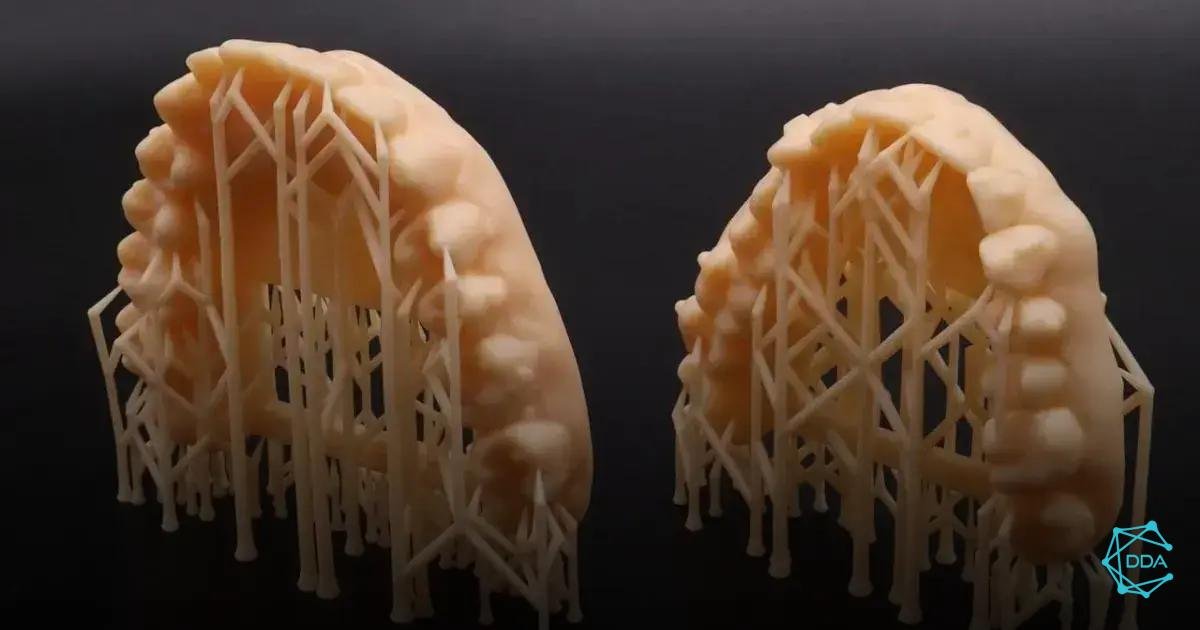
Another important feature is the 3D printing, which enables the production of prosthetics, surgical guides, and orthodontic appliances with high precision and speed. This technology not only reduces patient waiting times but also improves the fit of the devices in the mouth.
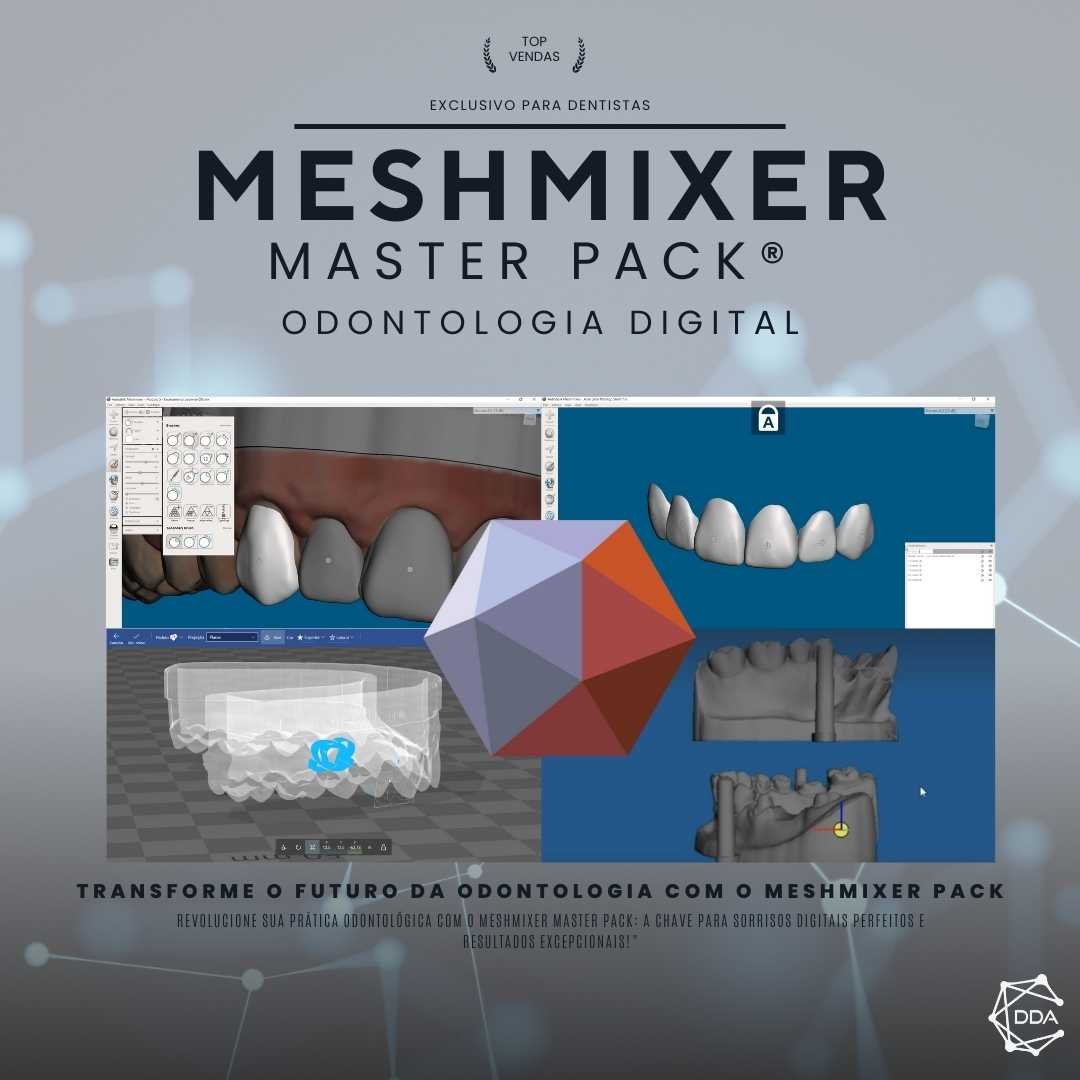
You digital planning software also play a fundamental role in digital dentistry. They allow dentists to simulate procedures, such as implants and orthodontics, before performing them, ensuring more effective and personalized planning.
Furthermore, the digital radiographs offer a modern alternative to traditional methods. They are faster, involve less radiation exposure, and can be visualized instantly, facilitating analysis and diagnosis.
Finally, the teleodontology is gaining traction, enabling remote consultations and patient monitoring. This technology is especially useful in areas where access to dental services is limited, expanding the reach of dental care.
How to Choose the Ideal Course
Choose the ideal digital dentistry course can be challenging, considering the variety of options available on the market. Here are some tips to help you make the best decision.
First, it is crucial to evaluate the program content of the course. Make sure it covers the topics you want to learn and aligns with your professional needs. Courses that offer hands-on experience are especially valuable, as they allow you to develop practical skills.
Another point to be considered is the reputation of the institution. Research alumni reviews and instructor experience. A well-regarded institution can offer more effective learning and better networking opportunities in the field.
Also, take into account the course flexibilitySome courses are offered in-person, while others are online or hybrid. Choose the one that best fits your routine and lifestyle, allowing you to balance study and work.
Don't forget to check the course cost and financing options. It's important to choose a course that fits your budget and offers a good return on investment, considering the career opportunities it can provide.
Finally, look for certifications and partnerships that the course can offer. Recognized certifications can increase your credibility in the job market and open doors to new professional opportunities.
The Future of Dentistry with Digital Technologies
O future of dentistry is intrinsically linked to the advancement of digital technologies, which promise to revolutionize the way professionals care for their patients. As new innovations emerge, a series of significant changes in dental practice can be anticipated.
One of the most exciting trends is the use of artificial intelligence and machine learning. These technologies can help dentists analyze patient data, enabling more accurate and personalized diagnoses. Additionally, AI can help automate administrative tasks, freeing up more time for patient care.
Another promising innovation is the augmented and virtual reality platforms, which can be used for training and procedure simulation. These technologies offer an immersive experience, allowing students to practice in virtual environments before treating real patients.
Furthermore, the teleodontology will continue to expand, enabling remote consultations and follow-up. This service model is especially beneficial in regions with a shortage of professionals, ensuring more people have access to dental care.
To the 3D printing technologies should also become increasingly common, facilitating the production of customized devices and reducing patient wait times. This not only improves treatment efficiency but also patient satisfaction.
Finally, the sustainability will become a growing concern in dentistry, leading to the development of more environmentally friendly practices and products. Combining digital technologies with a sustainable approach could result in a more responsible and conscious future for dentistry.