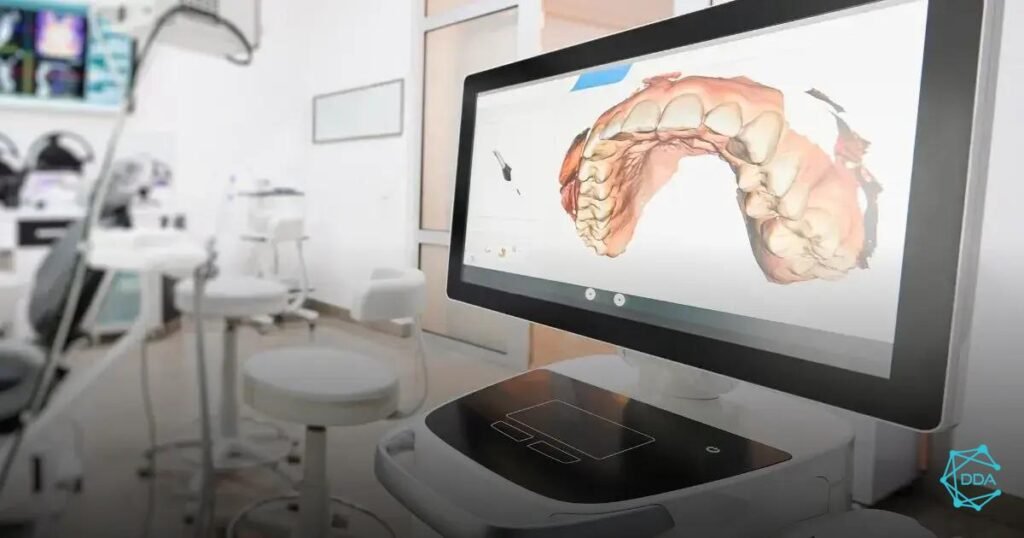
FDM 3D Printer It is a revolutionary technology that has impacted various industries, from manufacturing to medicine. With the ability to create three-dimensional objects through the deposition of molten material, FDM 3D printers have facilitated rapid prototyping, parts production, and even the fabrication of customized medical devices.


Selection Criteria
Choosing the right selection criteria for any project or decision is crucial to its success. In the context of supplier selection, it's important to consider several factors to ensure you choose the ideal partner.
Experience and Qualifications: When selecting a supplier, it is essential to consider the company's experience and qualifications. This includes evaluating their track record of previous projects, relevant certifications, and market reputation.
Service Capacity: The supplier's ability to meet project demands is a determining factor. This involves evaluating infrastructure, resource availability, and scalability to meet future needs.
Compliance and Regulation: Compliance with industry standards and regulations is fundamental. The supplier company must comply with applicable laws and regulations, ensuring the safety and quality of its products or services.
Cost and Benefits: In addition to price, it's important to analyze the benefits offered by the supplier. The cost-benefit ratio should be evaluated comprehensively, taking into account not only the initial cost, but also the added value and long-term benefits.
Innovation Capacity: A supplier's ability to innovate and keep up with market trends is a significant differentiator. Seeking partners who bring innovative solutions and are aligned with the company's future expectations is essential.
Reputation and References: Assessing a supplier's reputation through references and recommendations from previous clients is an important practice. This provides insights into service quality, adherence to deadlines, and customer satisfaction.
Cultural Compatibility: Cultural compatibility between the company and the supplier is an often underestimated but crucial aspect for the success of the partnership. The synergy of values, organizational culture, and objectives can significantly impact the collaboration.
By considering these selection criteria, companies can make more informed decisions and select suppliers that not only meet immediate needs but also contribute to long-term growth and success.

Configuration for Dentistry
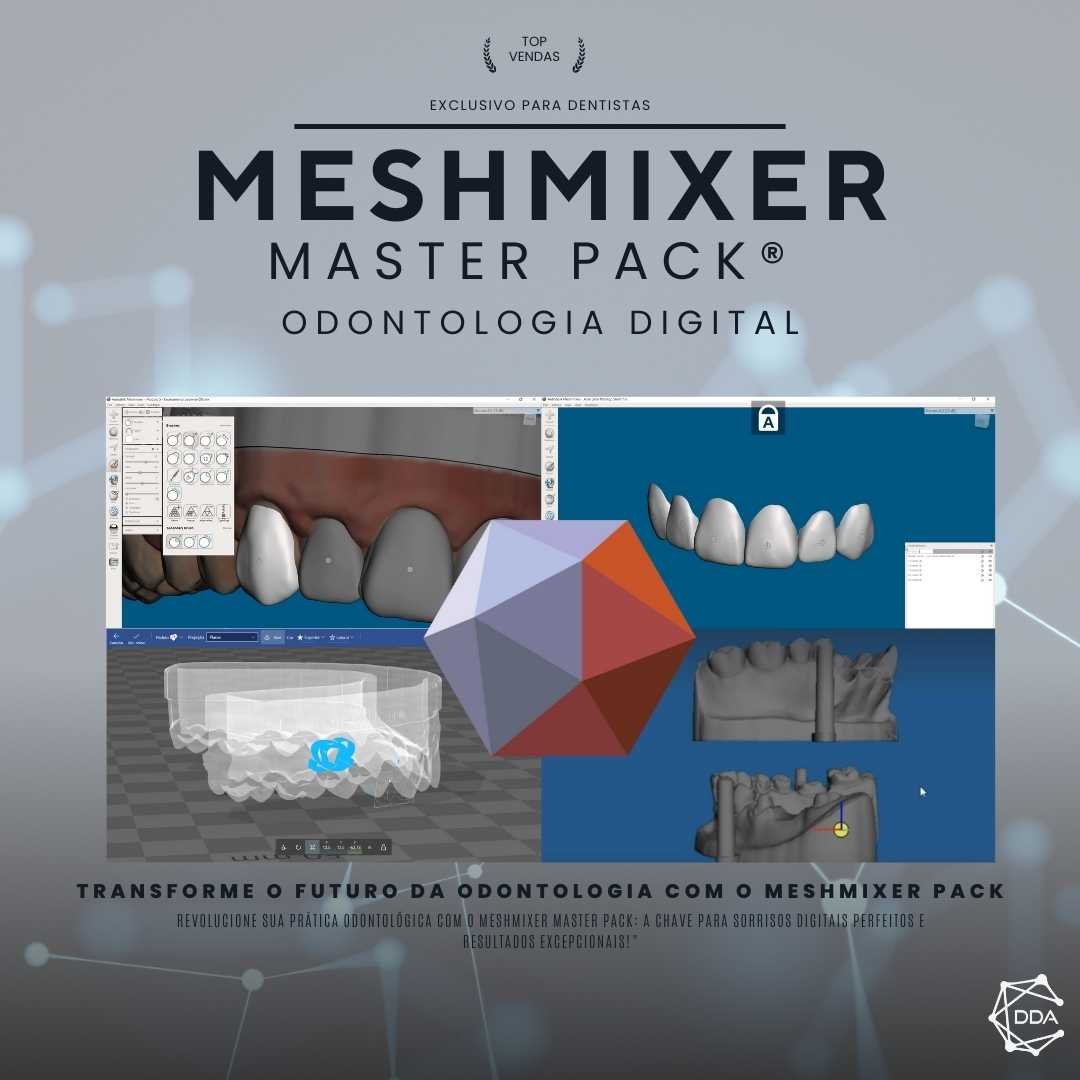
Proper setup for dental practice is essential to ensure that dental practices operate efficiently and effectively. Implementing a suitable management system can significantly improve productivity, accuracy, and patient satisfaction. Below, we highlight the key aspects to consider when setting up a dental system:
Integration with Specific Equipment
It is crucial to ensure that the system is integrated with the dental equipment used, such as digital radiography, intraoral scanners, and imaging systems. This allows for efficient data capture and storage, facilitating access to patients' clinical information.
Security and Compliance
Patient data security is of paramount importance in dental practice settings. The system must comply with privacy regulations, such as HIPAA, and offer advanced cybersecurity features to protect confidential information.
Customized Workflow
Each dental practice has a unique workflow. Therefore, the system configuration must allow for the customization of workflows to meet the specific needs of the practice, from appointment scheduling to billing and inventory management.
Integration with Billing Systems
To ensure efficient financial operations, the dental practice system must seamlessly integrate with billing and accounting systems. This simplifies the billing process, payment tracking, and financial reporting.
Ease of Use and Training
System usability is essential for operational efficiency. The interface should be intuitive and easy to use, and the team should receive adequate training to make the most of the features offered.
In summary, the dental setup must be carefully planned to meet the clinical, operational, and safety needs of dental practice, ensuring an efficient and high-quality working environment for both patients and staff.

Successful Use Cases
Implementing well-planned and executed SEO strategies can result in numerous successful use cases. Below, we highlight some examples that illustrate how search engine optimization can positively impact the results of different types of businesses.

Company XYZ: Significant Increase in Organic Traffic
Challenge: Company XYZ, which operates in the online retail sector, was facing difficulties in increasing the visibility of its e-commerce site and attracting qualified traffic to it.
Solution: After conducting an in-depth analysis of relevant keywords and implementing technical and content improvements, the company saw a significant increase in organic traffic.
Result: In just six months after implementing SEO strategies, company XYZ recorded a 40% increase in organic traffic, resulting in significant growth in online sales.
ABC Dental Clinic: Local Positioning and Increase in Patients
Challenge: ABC Dental Clinic sought to strengthen its online presence and attract more patients from the region where it was located.
Solution: Through local content optimization, inclusion of positive reviews, and targeted actions aimed at the local audience, the clinic managed to improve its ranking in geographic search results.
Result: Over a three-month period, the clinic recorded a 30% increase in the number of new patients, demonstrating the positive impact of SEO strategies focused on local results.
- Conclusion: These success stories demonstrate how the efficient implementation of SEO strategies can generate tangible results, such as increased traffic, strengthened local presence, and sales growth. By understanding and applying SEO best practices, companies can achieve superior performance in search engines, positively impacting their business.
Future Expectations
The constant evolution of technology brings with it a promising horizon for the future of SEO. With the constant changes in search engine algorithms, SEO strategies are expected to become even more sophisticated and effective.
With the growing importance of voice search and mobile devices, SEO is expected to adapt to meet these demands, optimizing the user experience across different platforms.
Furthermore, artificial intelligence and machine learning have the potential to revolutionize how SEO strategies are developed and implemented, allowing for even more precise and efficient customization.
The integration of structured data and optimization for local search engines are expected to become even more relevant, meeting the needs of local and regional businesses.
Finally, the expectation is that SEO will continue to play a key role in the success of digital marketing strategies, contributing to the visibility and growth of companies in an increasingly competitive landscape.