
What is Digital Photopolymerizable Resin?
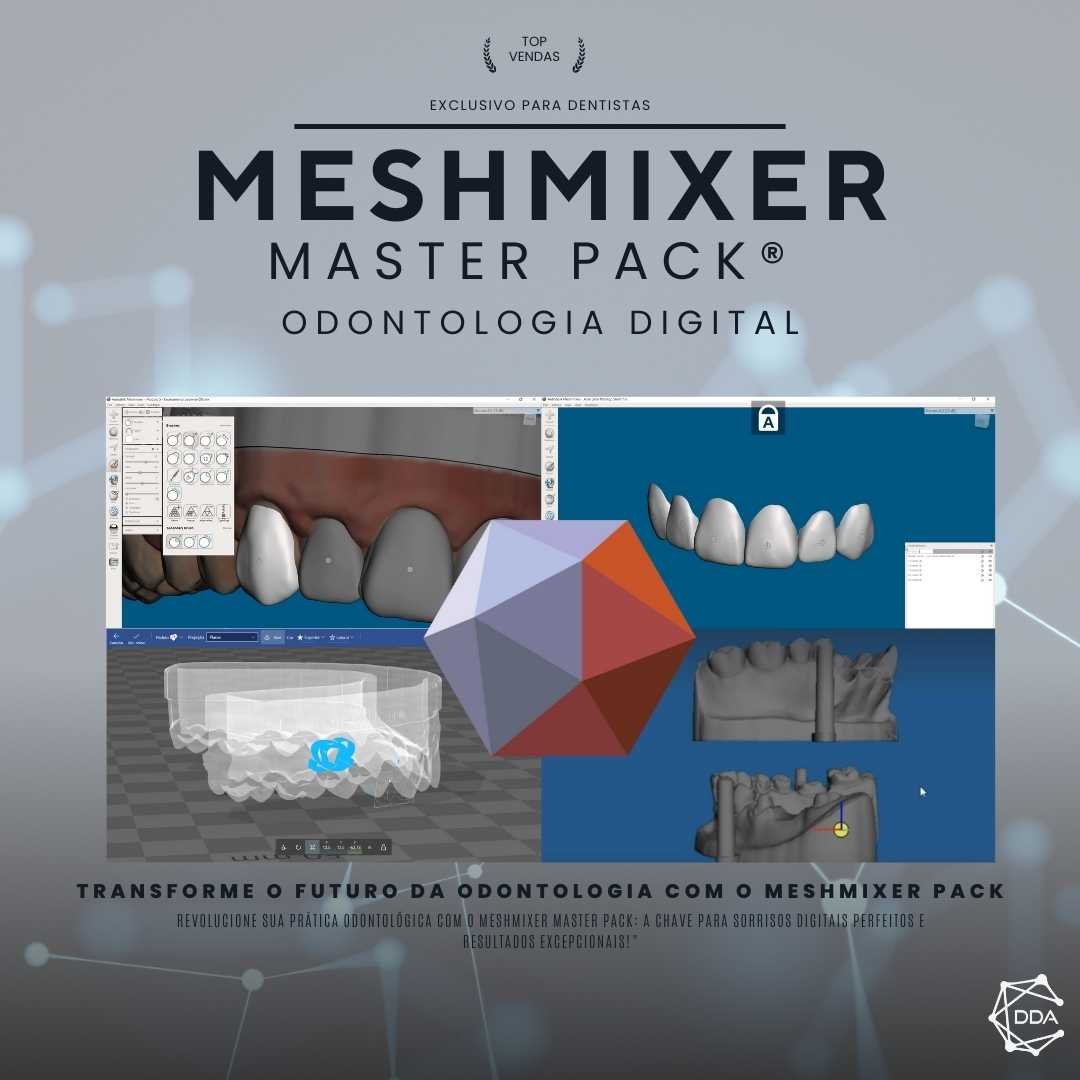
Digital light-curing resin is a material used in cosmetic dentistry for dental restorations. It is a type of composite resin that can be applied directly to the patient's teeth, being molded and sculpted to obtain the desired shape. The main characteristic of this type of resin is its ability to harden through exposure to ultraviolet or LED light, which allows the procedure to be performed quickly and efficiently.
How does Digital Light-Cured Resin work?
Digital light-curing resin is composed of a mixture of monomers and inorganic fillers, which give it its physical and aesthetic properties. When exposed to ultraviolet or LED light, the monomers present in the resin undergo a chemical reaction called polymerization, in which they bind to each other and form a three-dimensional network. This network gives the resin its hardness and strength, allowing it to be used as a dental restorative material.
What are the advantages of Digital Light-Cured Resin?
Digital light-cured resin offers several advantages over other materials used in cosmetic dentistry. One of the main advantages is its ability to be applied directly to the patient's teeth, eliminating the need for impressions and the fabrication of restorations in a laboratory. This makes the procedure faster and less invasive, as well as reducing the patient's waiting time.
Furthermore, digital light-cured resin has excellent color stability, meaning it does not change shade over time. This ensures that the dental restoration maintains a natural and aesthetically pleasing appearance for an extended period.
Another advantage of digital light-cured resin is its wear resistance. It has high abrasion resistance, meaning it doesn't wear down easily from the friction caused by chewing. This ensures that the dental restoration has a long lifespan, avoiding the need for frequent replacements.
What are the applications of Digital Photopolymerizable Resin?
Digital light-cured resin can be used in various applications in cosmetic dentistry. One of the main applications is the restoration of decayed or damaged teeth. The resin can be applied directly to the affected tooth, filling cavities and restoring its shape and function.
Furthermore, digital light-cured resin can also be used to correct minor aesthetic imperfections, such as diastemas (spaces between teeth), wear, or stains. In these cases, the resin is applied to the tooth surface and shaped to correct the imperfection, providing a more harmonious smile.
What precautions are necessary when using Digital Light-Cured Resin?
Although it is a durable material, digital light-curing resin requires some care to ensure its longevity. It is important to avoid consuming very hot foods and drinks immediately after the procedure, as the resin may change color or even deteriorate due to excessive heat.
Furthermore, maintaining good oral hygiene is fundamental, brushing your teeth regularly and using dental floss. Digital light-cured resin is not immune to the formation of plaque and tartar; therefore, good oral hygiene is essential to prevent the accumulation of dirt and deterioration of the restoration.
It is also important to avoid consuming foods and drinks that can stain the resin, such as coffee, tea, red wine, and soft drinks. These substances can cause stains on the resin surface, compromising its appearance.
Conclusion
In summary, digital light-cured resin is a versatile and efficient material used in cosmetic dentistry for dental restorations. It offers several advantages over other materials, such as the possibility of direct application to the patient's teeth and color stability. However, it is important to follow the necessary precautions to ensure the resin's durability and avoid aesthetic or functional problems.


